

Publications

Cytotoxic CD4+ T cells induce age-associated myelopoiesis through CCL5-CCR5 signaling

Gabandé-Rodríguez E, Soto-Heredero G, Carrasco E, Anerillas C, Escrig-Larena JI, Martínez-Cano J, Delgado-Pulido S, Francos-Quijorna I, Desdín-Micó G, Smirnova T, Gómez de Las Heras MM, Fernández-Almeida Á, Leandri A, Cugurra A, Blanco EM, Winand-Osete E, Ramírez-Ruiz de Erenchun P, Zorita V, Bean C, Basset V, Solly F, Garrido A, de Cabo R, Mañes S, Pasparakis M, Iannacone M, Cobaleda C, Naveiras O, Gorospe M, Mittelbrunn M.

Nat Aging. 2026 Aug 26.

  • PMID: 42649414
  • DOI: 10.1038/s43587-026-01209-9

Age-associated hematopoietic skewing results in an increase in the neutrophil-to-lymphocyte ratio, which serves as a strong predictor of all-cause mortality in older adults, although its causes are incompletely understood. Here we show that cytotoxic CD4+ T lymphocytes accumulate in the bone marrow of mice during aging and induce myelopoiesis, increasing the neutrophil-to-lymphocyte ratio. T cell

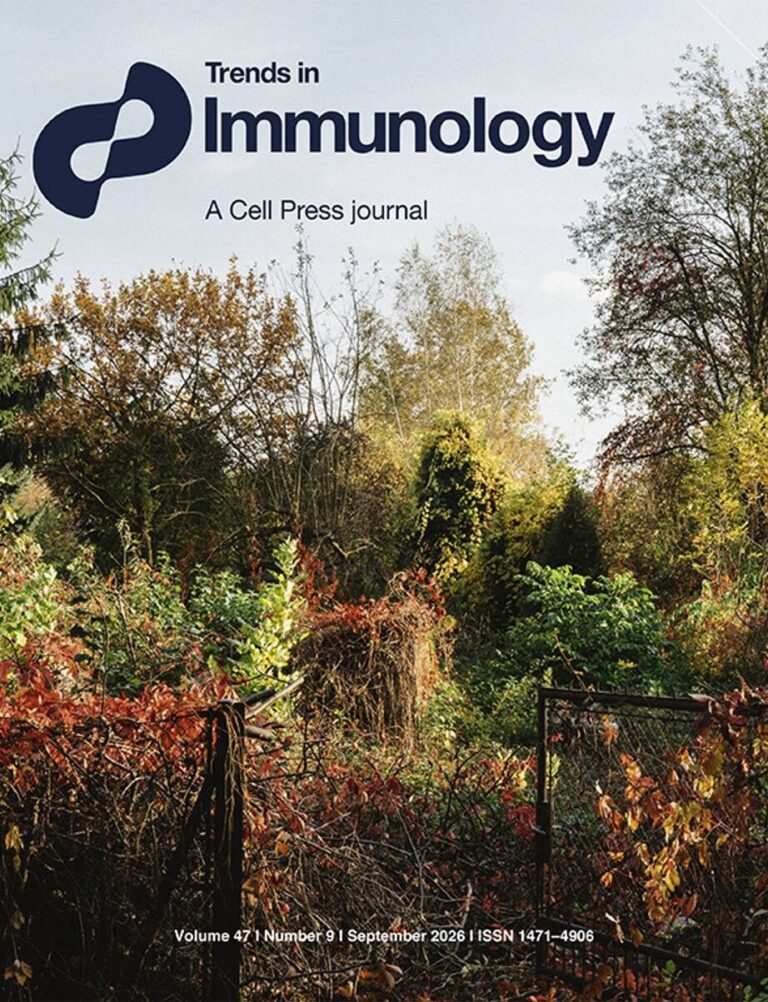
T cell control of the intestinal barrier and gut microbiota during ageing

Gómez de Las Heras MM, Mittelbrunn M.

 Trends Immunol. 2026.

  • PMID: 42303510
  • DOI: 10.1038/s41467-026-70547-4
Image credit: Gregor Hofbauer (Getty

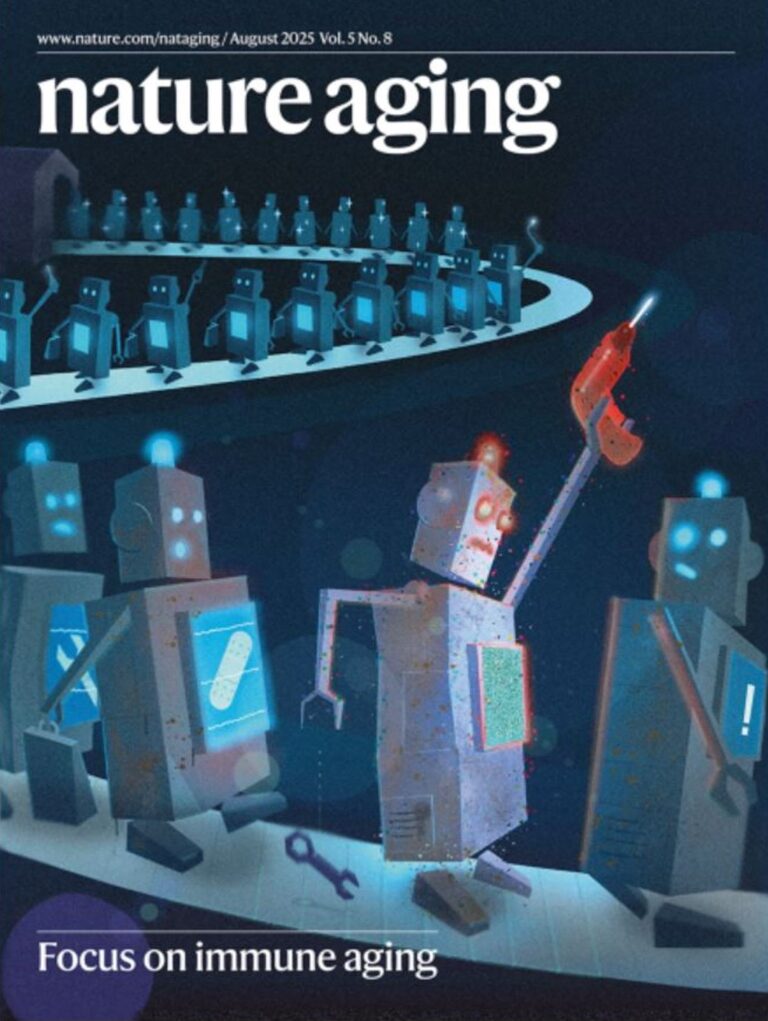
Aging reshapes the adaptive immune system from healer to saboteur

Delgado-Pulido S, Yousefzadeh MJ, Mittelbrunn M.

Nat Aging. 2025 Aug;5(8):1393-1403;

  • DOI: 10.1038/s43587-025-00906-1
  • PMID: 40813808 

    The classical role of adaptive immunity as a protector against external threats has expanded to include its functions in cancer surveillance, tissue repair and regeneration, and, more recently, it has emerged as a regulator of the aging process. In this Perspective, we discuss the mechanisms by which the deterioration of adaptive immunity contributes to inflammaging,